Igloo Software • 5 min
Designing Igloo Flex: Modernizing a Legacy Enterprise Platform to Scale

Confidentiality notice
This work reflects my time at Igloo Software. Specific customer data and internal details have been generalized to focus on platform strategy, system design, and UX leadership outcomes.
Challenge
Igloo’s legacy intranet platform had become fragmented and inconsistent, making it difficult to scale and forcing users to navigate complex, hard-to-learn workflows.
Strategy
We shifted to a system-driven approach, replacing one-off solutions with shared patterns and establishing a scalable foundation aligned across teams.
Results
Established a scalable foundation for Flex, improving consistency, reducing ambiguity, and enabling teams to build more predictably on a modern intranet platform.
Challenge
Modernizing a legacy platform without disrupting customers
As Igloo’s platform evolved, it became increasingly fragmented. Different teams introduced their own patterns and workflows, resulting in an inconsistent and difficult-to-maintain experience.
Core tasks were harder than they should be. Users often required training to complete basic actions, and the lack of clear hierarchy and structure made navigation confusing.
The product had also grown to support too many edge cases, adding unnecessary complexity to the experience. What began as a flexible system had become harder to use, harder to scale, and harder to evolve.
At the same time, expectations for enterprise platforms were shifting toward more cohesive, modern, and scalable solutions. It became clear that incremental improvements would not be enough.
This was not a redesign problem. It was a systems problem.
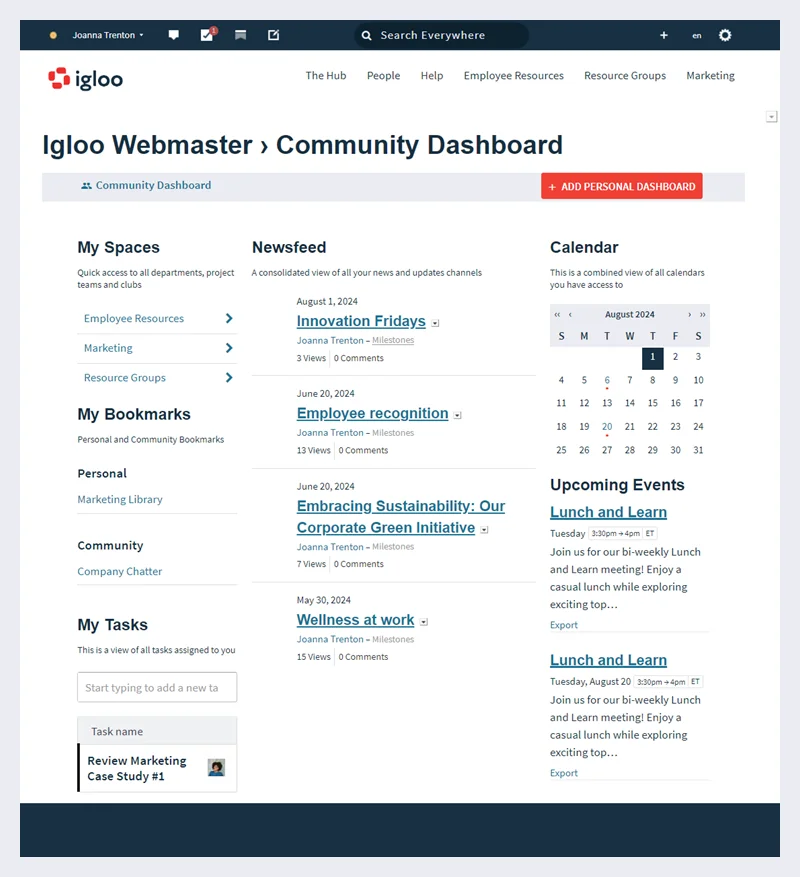
Before: Fragmented, inconsistent, and difficult to navigate at scale.
Strategy
Rebuilding the foundation through
system-driven design
The approach shifted from designing individual features to building a system that could scale across teams and use cases.
We focused on the workflows most users rely on and reduced unnecessary complexity by aligning around shared patterns and behaviours. This created consistency across the product and made it easier for teams to build without reinventing solutions.
A key part of this effort was establishing a reusable design system that improved speed, reduced duplication, and ensured a more predictable experience across the platform.
We also strengthened the connection between design decisions and user insight, grounding product direction in real-world usage and feedback.
The goal was to create a foundation that could grow with the product without reintroducing fragmentation.
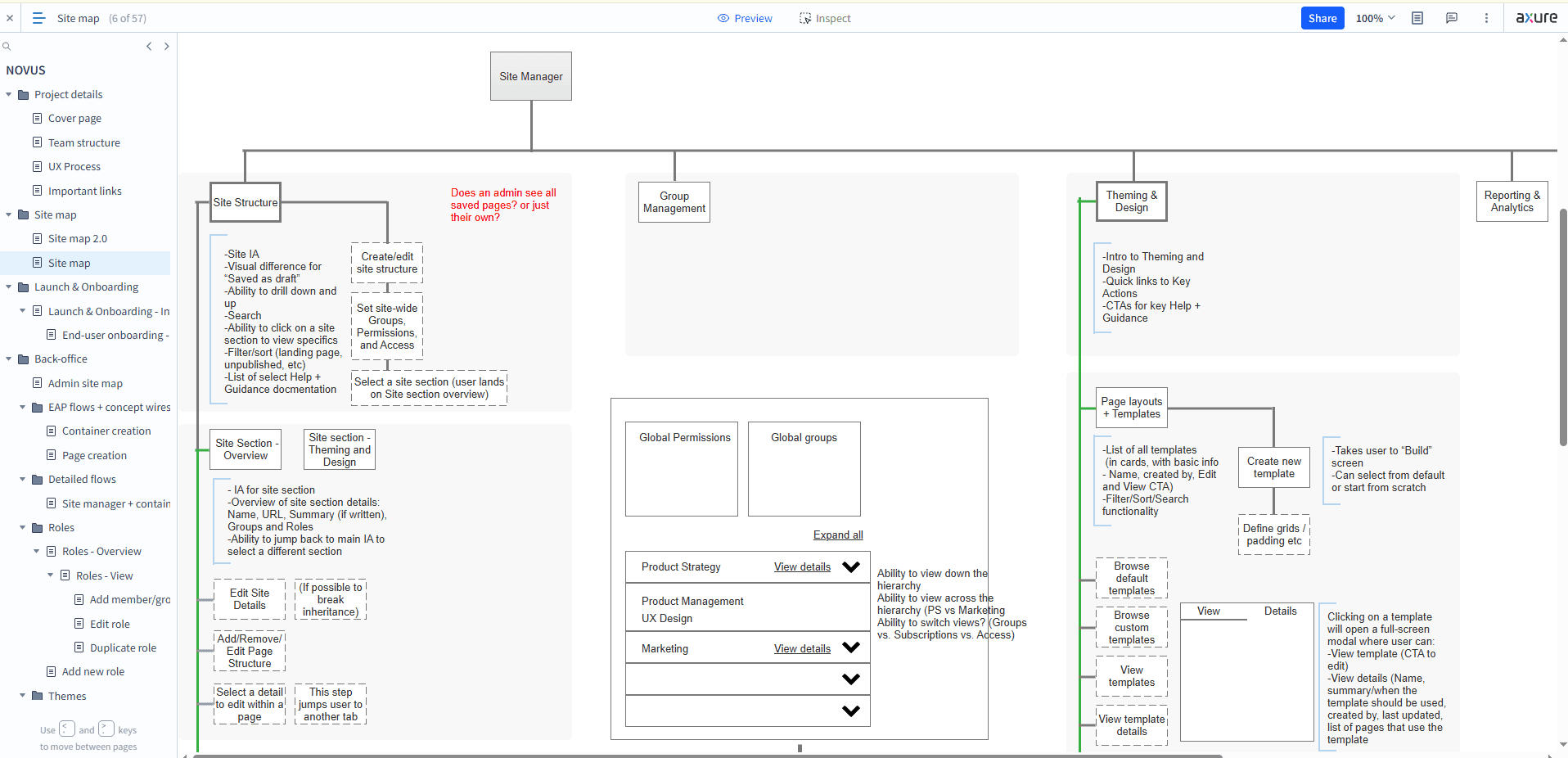
Before: Fragmented, inconsistent, and difficult to navigate at scale.
Results
Establishing a scalable foundation for the next generation platform
Flex evolved into a more consistent and scalable system as shared patterns replaced one-off solutions. Teams began relying on the design system, reducing ambiguity and making implementation more predictable.
This shift prevented many of the inconsistencies that had accumulated in the legacy platform and enabled teams to build with greater confidence and speed.
Flex became the foundation for Igloo’s modern intranet experience.
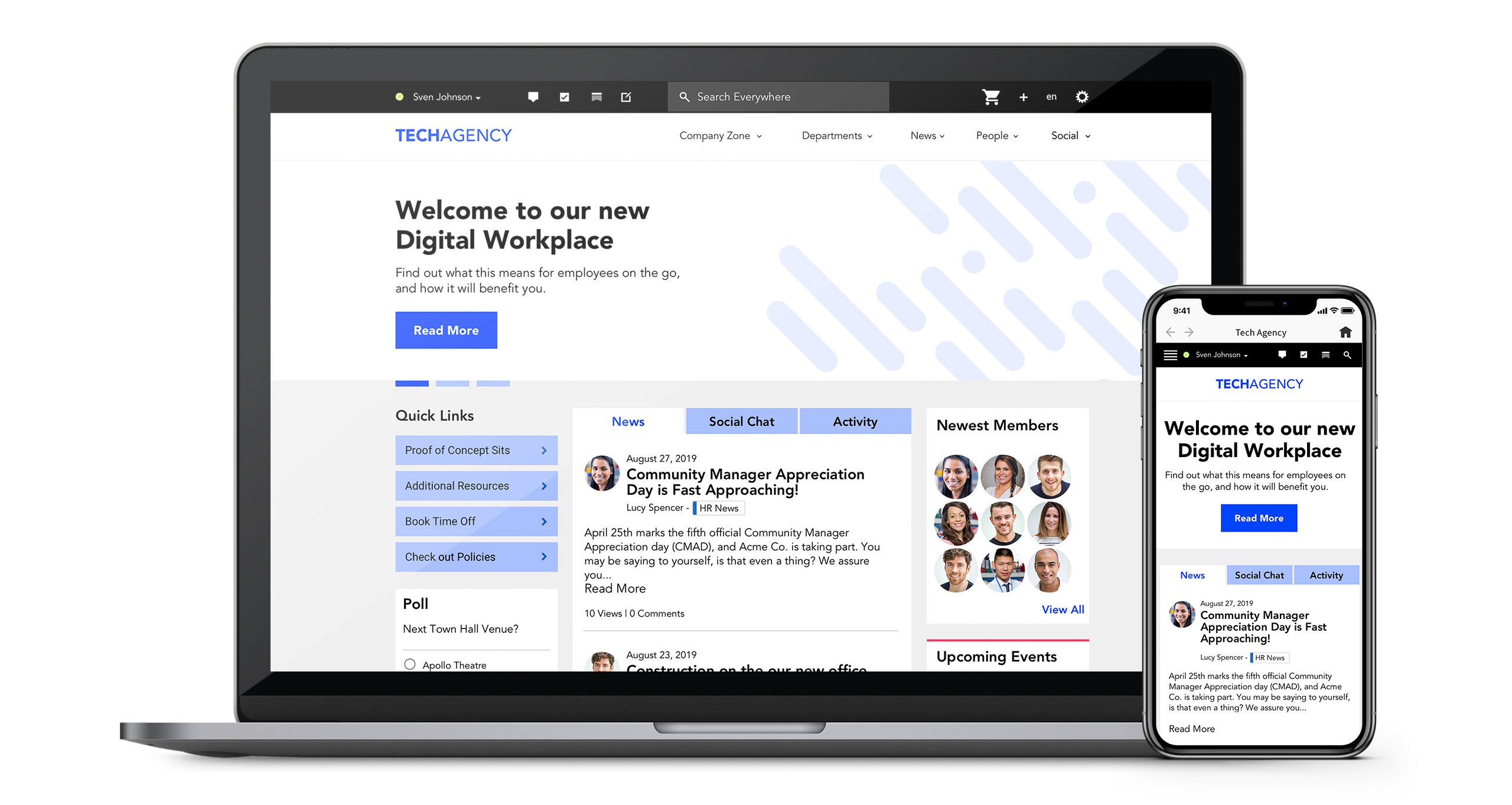
After: Consistent, scalable, and built on a shared system.
Modernization
0 to 1
Rebuilt a legacy intranet into a scalable, system-driven enterprise platform
Adoption
400+
Supports over 400 organizations including Hard Rock Cafe and other global enterprise customers
Scale
1M+
Supports over 1 million users across distributed enterprise workforces
Efficiency
50%
Reduced design time by 50% through the creation and adoption of a shared design system
Retention
97%
Maintained high customer retention across enterprise clients
UX Research
0 to 1
Established the Igloo Lighthouse UXR program to scale user insight and guide decision making
Emerging tech
AI
Partnered with Product to bring AI into the platform.
Recognition
Award
Recognized with Brandon Hall Excellence Awards for innovation.
Delivery
Platform
Enabled multiple teams to deliver consistently.
Lessons
Scaling starts with the system,
not the screens
Modernizing a legacy platform is not about redesigning screens. It is about rebuilding the underlying system so it can scale.
Structure enables consistency as systems grow
Design systems only work when teams use them in practice
Reusable components reduce repeated effort across teams
Long-term alignment prevents future fragmentation